In my last 2 columns I talked about the importance of understanding shopper needs, behaviour and psychology at at the point of purchase. How, often quite small things – in product design, merchandising and communication – can have a big impact on what the shopper sees and does.
First, I talked about the importance of cutting though the noise – getting seen. Second, I talked about the importance of clarity – getting understood. Now, let’s move onto the crucial third part – actually getting bought.
Getting bought is all about making the product an easy and obvious choice for the shopper. And there are 3 ways to do this.
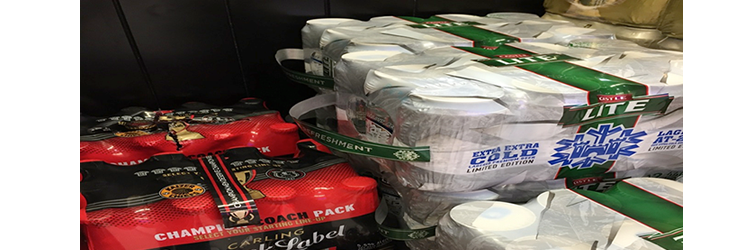
First, make it physically easy to buy. The easier something is to do, the more likely we are to do it. For example, just making a pack easier to pick up – through pack structure, through a handle on a case of beer or box of detergent – can make a big difference to whether a shopper picks a product up or not. And therefore whether they buy or not.
This can also work the other way. The harder something is to do, the less likely we are to do it. For example, in several countries, restricting the number of painkillers that can be bought in one shopping visit has significantly reduced the incidence of suicide. You might think that if you had decided to take your own life, the effort of visiting enough outlets to stockpile the necessary pills, wouldn’t be much of a hurdle. But that isn’t the case. So it’s not surprising that small hurdles in store can have a surprisingly large impact on sales. If a product is not in an accessible store or an accessible location in store or an accessible location on shelf, it will be bought significantly less often.
Second, make your product a rationally obvious choice. Humans like to have reasons to justify their behaviour – whether to themselves and to others. As do shoppers when deciding what to buy. So give a clear reason to buy at the point of purchase. This may be a performance claim (“kills 99% of germs”), a recommendation (“Which #1”) or a “social proof” message (“Britain’s favourite jam”). It needs to be simply expressed so that it “lands” in the short attention window shoppers grant it.
Thirdly, make your product a psychologically obvious choice. This is about creating the right selling environment and “body language”. In fresh food, it typically means clean, fresh and abundant displays – think good fishmongers or greengrocers. In Personal Care, it means showcasing the product and experience through lights, mirrors and displays – think specialist beauty stores.
But it’s also about signalling the usage occasion. For instance, this isn’t just a piece of beef, it’s part of a roast dinner. And that in turn, isn’t just a physical meal, but a highly prized social occasion with loved ones. There is much more value in the concept of “a family roast” than the concept of “beef for roasting”. Sainsbury’s recent activity selling meals from their Fresh gondola is trying to add value in this way.
So make your product the easy and obvious choice. Make it physically easy to pick up. Make it a rationally obvious choice. Make it a psychologically obvious choice. Your product is much more likely to get bought.