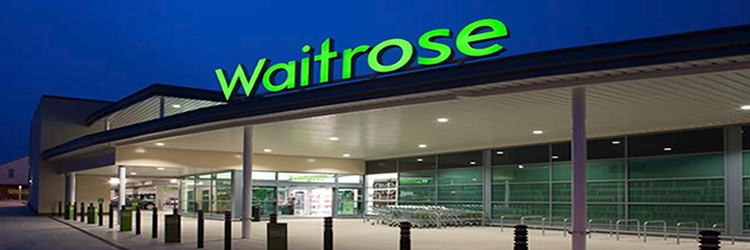
Waitrose have for several years outgrown the market in UK grocery. Store openings have certainly helped but like for like sales have been ahead of the market more often than not. In a relatively tough economic environment, with significant deflation and the success of Discounters, Waitrose’s performance has been impressive.
So how are they doing it and what can be learnt? Here are four things.
First, they design a different shopping environment. At Waitrose, the environment is recognisably and uniquely calm. This isn’t an accident. It is created by materials, lighting and the use of space. The amount and volume of messaging is carefully controlled. It may feel constraining for those trying to drive sales in an individual category, but the compound effect on the store experience is valued by shoppers. If you ask them what they like about Waitrose, they often talk about the store environment.
Second, Waitrose invest in product difference. You probably can’t be different everywhere, but you can be different and better, somewhere that matters. Waitrose’s main product point of difference is in fresh food, and especially meat and fish. This has required significant investment in the supply chain, sustained over many years. It has required a long-term mindset and it hasn’t been easy to achieve. But the bigger the pain, the bigger the gain. Waitrose’s shoppers consistently cite meat and fish as a point of difference vs other supermarkets. They say that better meat and fish matters to them. And it will be difficult for other Grocers to neutralise this advantage.
Third, treat your people well. The studies all show it. Happier, more involved staff means happier, better served customers. The John Lewis partnership model has fundamental strengths. All staff are Partners in the business. “Partner” isn’t just a name – it’s a reality. Partners share the profits of the business. So Partner interests are strongly aligned to the business’s interests. Partners care a lot, that the business does well. Shoppers notice a difference in the service they receive.
Finally, pile up extra reasons to visit. Free coffee. Free newspaper. Free Waitrose Magazine. Free parking near the town centre. These may not sound like big things, but they can make the difference as shoppers chose a store. Most shoppers have several viable options if they are looking to pick up tonight’s meal or do a fresh top up shop. Which will they choose today? Extra reasons to visit can sway their decision.
The recurring theme here is difference. What is different about the environment, the product, the people and the extra reasons to visit? In a very competitive market, the more points of difference, the better. Even when the going gets tough – market conditions in recent years have not particularly suited Waitrose – you can flourish by being different, and different where it matters. Waitrose’s success shows this.
