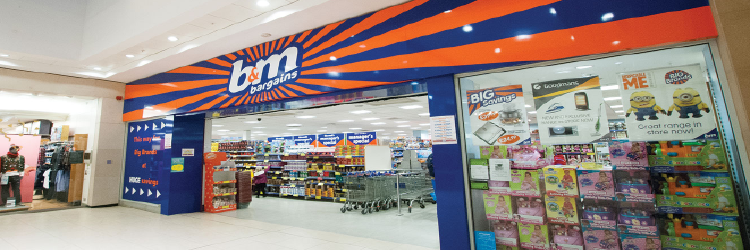
B&M continue to perform strongly and are now big players in categories like toys, core grocery, snacking, household and personal care. They talk confidently about their disruptive business model and are due to open fifty new stores this year. How are they achieving this, what can we learn, and how should the rest of the industry respond?
B&M focus on the thing that matters most to their customers and minimise costs where customers are prepared to sacrifice.
Prices matter to customers, so B&M work very hard to deliver. That means low prices across the board – not always cheapest, but rarely more expensive. It means the odd knockout price – for example, in recent weeks, Christmas Biscuit selections. It means accepting tertiary brands – maybe not much of Walkers Crisps and Sensations but plenty of less celebrated PepsiCo snack brands. It means unusually large packs to deliver low price per occasion – 480 Yorkshire Tea bags for £9.99 means two pence each. You sense that B&M’s buyers are laser focussed on the goal (market leading value) but flexible about how they get there. Whatever it takes.
B&M’s customers will sacrifice some things. So B&M choose less expensive locations, less expensive fit out, and less disciplined store standards. It isn’t a sleek Retail experience. It isn’t trying to be an Apple store. But it is cheap and cheerful. More cheerful than the typical supermarket shop – less of a chore, and more of a pleasure. It’s warm, music is playing and staff are typically friendly. There’s some fun in the product range – take a look at the ridiculous pet presents for Christmas. Asda in their heyday created similar cheer.
What does B&M’s success mean for Retailers? First, and it sounds obvious, watch B&M carefully. They are not in your scanning data, they are not on mySupermarket, but there are 578 stores out there. Second, don’t let yourself be embarrassed on price. Third, be patient. If you have only just closed the gap on price, don’t expect shoppers to notice overnight. Given time, shoppers will notice.
What does it mean for Brands? First, in their core categories, B&M are likely to become more and more important to you, so you’d better keep them front of mind. Second, if you ever thought of them as somehow unconnected from your core business, you mustn’t anymore. This isn’t just about the much talked about “read across” of pricing. It’s bigger than that. Over time, the UK will eat the same number of calories, use the same amount of shampoo. If B&M win, some other customers will almost certainly lose. That’s Retail. You need to manage the portfolio, be clear about the role each Retailer plays for the category and your brands, and engage accordingly.