What is obvious to us is not obvious to the shopper.
I talked last month about understanding the needs, behaviour and psychology of the shopper, at the point of purchase, and what this means for product design, merchandising and instore marketing.
It is all about getting seen, getting understood and then getting bought. Today I’ll talk about the second – getting understood.
The process of shopping requires significant cognitive effort from the shopper. There are thousands of products to choose from and lots of messages to assimilate, or (more commonly) to filter out. Shoppers may only engage with a category every few weeks, they might only spend a few seconds looking at a shelf, and typically spend just one or two seconds looking at an individual product.
As industry people, we are close to things. We look at our packs and our shelves all the time. But what is obvious to us is often not obvious to shoppers. So making sure that your brand, category or product is easy to understand, is critical to making life easy for shoppers, and winning with them. Because if shoppers don’t understand what you are offering, they won’t buy.
So, what can you do to get understood? There are three key areas.
First, telegraph how you are organising the shelves. Don’t agonise for too long over how to lay out a category or store. Choose a way that makes intuitive sense, and then expend your effort on making this crystal clear to the shopper. If it is sensible and you are consistent, shoppers will be happy to be told how it works. An example that demonstrates this principle is Dried Herbs. Do shoppers think “I think I’ll have some herbs beginning with P today”? Of course not. But does organising herbs alphabetically make sense, and make life easy for the shopper? Yes it does.
Second, focus on the key messages you want shoppers to see. Identify the few things that are most important to get across. Be clear about their hierarchy, and the order you want them to be seen in. As part of this, decide what is the single most important message. Make sure you are consistently pushing the key messages across all touch points – packaging, shelf ready packaging (SRP) and Point of Sale. Varying the message on SRP can sound a good idea in a meeting room. But once you understand how shoppers shop, it normally isn’t.
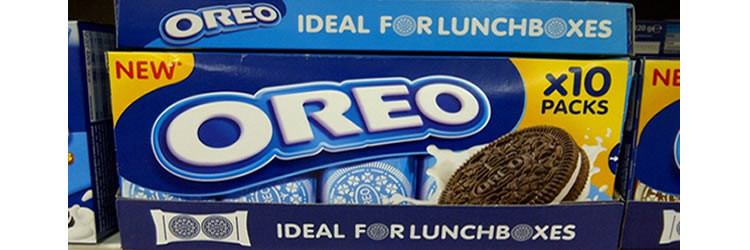
Third, spell out what products are for and when to use them. Sometimes this is implicit from the format of a product. For instance, a big bag has come to mean “sharing”, a bar means “filling”, individually wrapped signals “packed lunch”. Be aware of these codes, use them, and don’t fall foul of them. But often it pays to spell out the occasion for which a product is suited by making it more explicit. Whether it is snack, quick lunch, for the car or a night in front of the TV, shoppers respond well to being told about an occasion the product will suit. It isn’t patronising; it’s just helpful. Don’t be concerned about pigeon holing yourself. Shoppers are bright enough to work out additional occasions to the one you highlight. And it isn’t just the messages on pack and POS material. The way that products are “bundled” through merchandising is also important. Meal and Snack Deals benefit from promotional mechanics, but they also work because they very clearly signal the occasion.
So that’s how to be understood in store. Telegraph how you are organising the shelves. Focus on the key messages you want shoppers to see. Spell out what products are for and when to use them. What is obvious to us is not obvious to shoppers. If you’re not understood quickly, you won’t be bought. So make it as easy as possible for shoppers to understand.